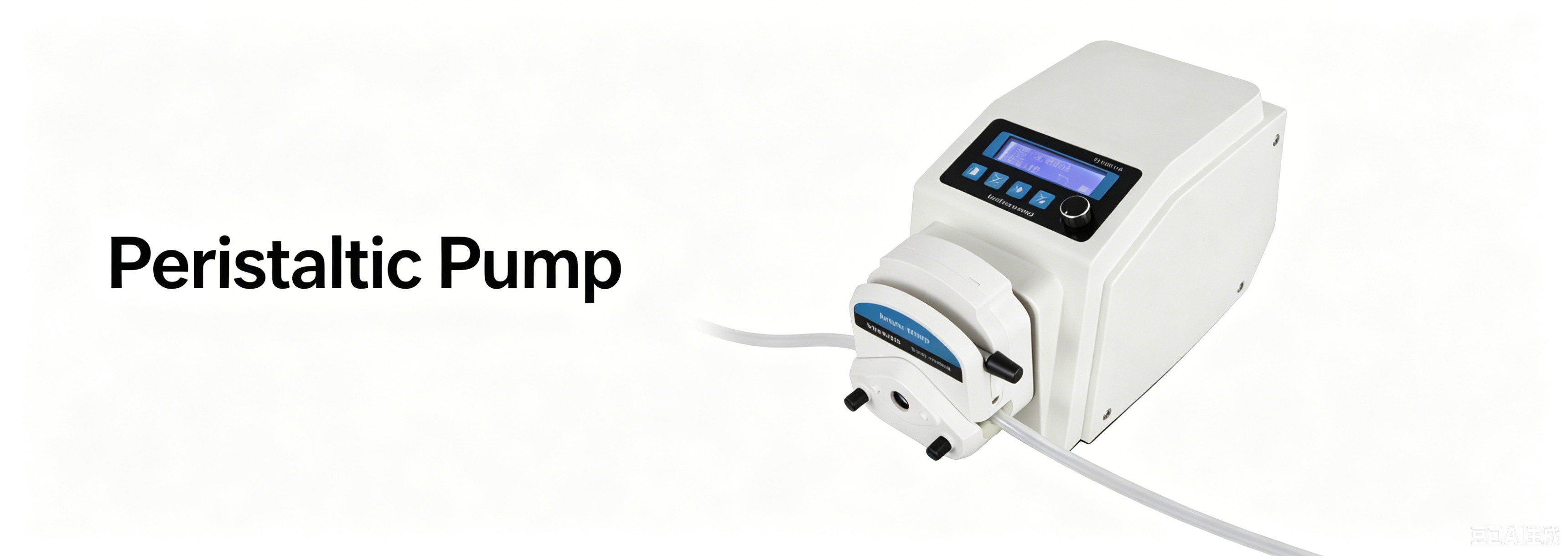
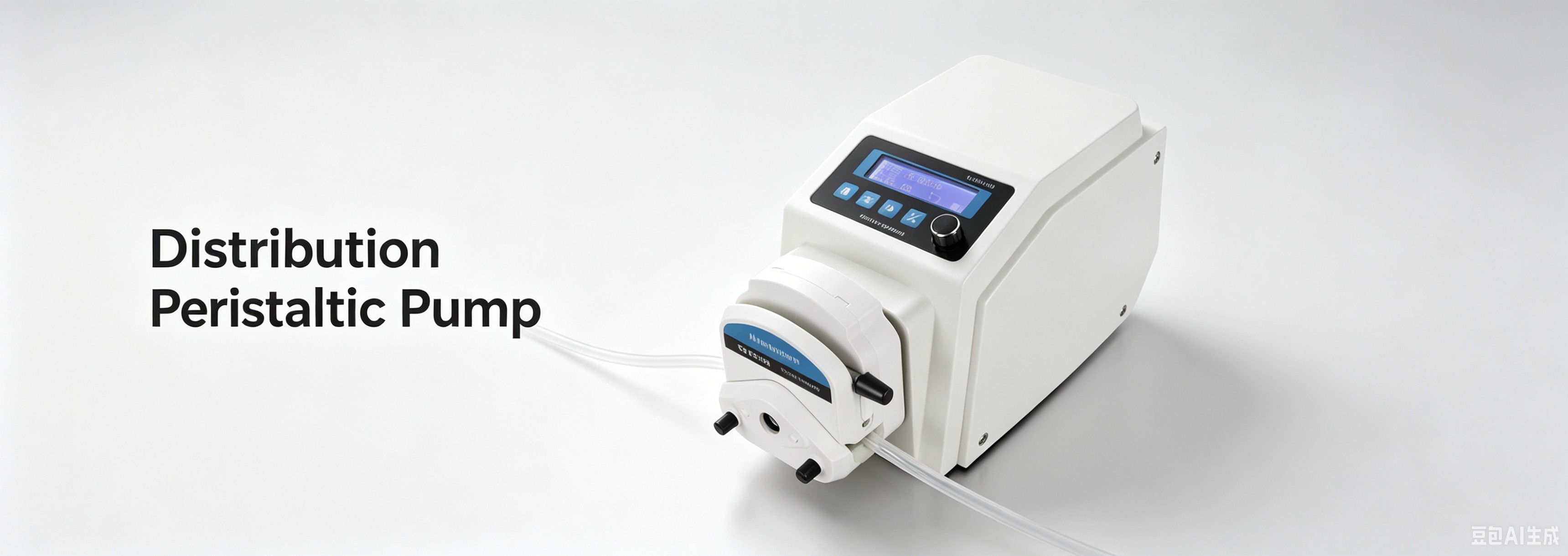
The selection of peristaltic pumps should revolve around four core dimensions: flow range, number of channels, fluid medium composition, and external control method. It is necessary to match the driver, pump head, and hose with specific application scenarios to ensure stable system operation.
For laboratory-level experiments, it is recommended that the error be ≤±2%. For precision experiments (such as chromatography sample injection), high-end equipment with an error of ≤0.1% can be selected.
Flow calculation:
Flow rate ≈ single-turn flow rate × rotational speed. Generally, the flow range of a peristaltic pump is determined by the pump head and pump tube. The rotational speed and flow rate are indicated on the peristaltic pump display. Some basic peristaltic pumps only display rotational speed, start/stop, and direction, allowing professional operators to calculate the flow rate themselves. Flow-type peristaltic pumps and dispensing peristaltic pumps both display the flow rate and feature flow calibration functions. Dispensing peristaltic pumps also add functions such as quantitative filling and suction.
Number of channels:
Single channel is suitable for a single fluid, while multiple channels can transport different fluids simultaneously,
such as in university flower beds
Fluid medium composition:
The properties of the fluid directly determine the material of the pump tubing. Properly selected pump tubing can optimize the performance of the fluid transmission system, ensure more precise flow rate control, provide a greater suction lift, handle higher viscosity fluids, and have a longer service life.
External control method:
Rotating knob combined with buttons, supporting external signal control and communication methods. In simple scenarios, buttons are used for start/stop, direction control, and speed control (0-5V, 0-10V, 4-20mA, 0-10KHz are optional). Communication interface: RS485, supporting Modbus or other communication protocols. Some can also be controlled through analog signals.
In the fields of scientific research and education, laboratory work often demands high stability and precision from equipment. Especially in experiments such as liquid chromatography and column chromatography, precise flow control and high repeatability make them indispensable tools for researchers. A peristaltic pump is a good choice, as its high repeatability and stability enable it to meet the long-term and stable experimental needs of laboratories.
 Preview | Huiyu Weiye to Attend the 64th China Higher Education Expo, Empowering Higher Education Innovation with Fluid TechnologyWelcome to the Peristaltic Pump Exhibition.Gather cutting-edge technology and display high-quality equipment
 Recommended List of Pneumatic Explosion‑proof Peristaltic Pump ManufacturersFor industrial sites with risks of gas‑caused or electrical‑triggered fires, such as petrochemical plants, coal mines, spraying workshops and solvent‑recovery stations, pneumatic explosion‑proof peristaltic pumps adopt the design concept of "using air power instead of electricity to eliminate fire hazards at the source". Hence they are widely chosen by many engineers for fluid‑transfer procedures.
 MEDICAL TESTING INDUSTRYMedical testing is to conduct microbiology, immunology, biochemistry, genetics, hematology, biophysics, cytology and other aspects of materials taken from the human body, so as to provide for the prevention, diagnosis, treatment of human diseases and assessment of human health A science of information.
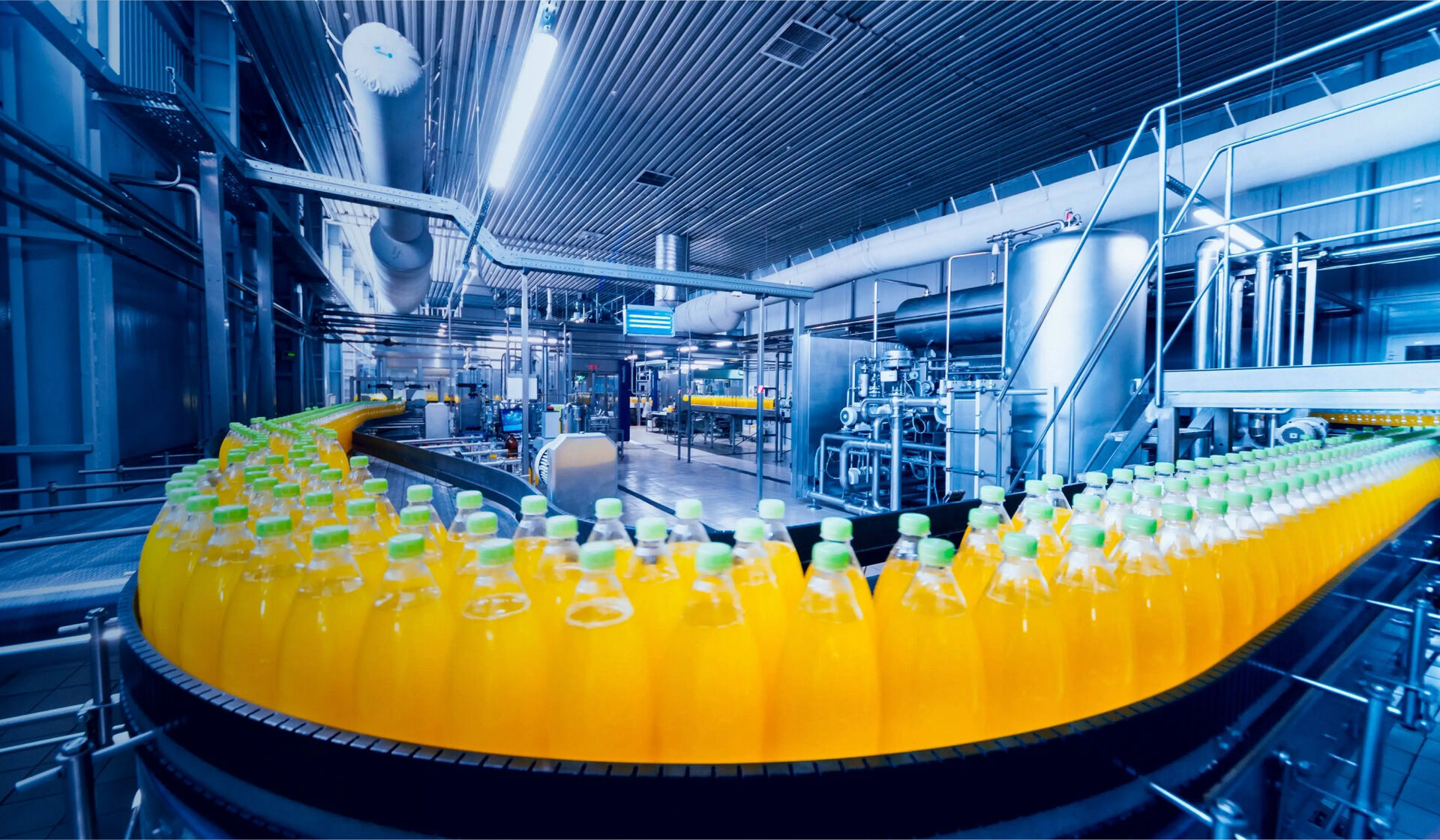
With the continuous improvement of the current medical level, medical equipment and diagnostic testing instruments are playing an increasingly important role as supporting equipment. Among them, the clean and stable delivery of reagents and samples, Huiyu peristaltic pump has become a good choice for supporting related medical testing equipment. In clinical medical equipment, applications such as extracorporeal circulation, irrigation, perfusion, and cold confirmation are involved. The medical industry requires that the medical equipment must meet the requirements of Class III certification and FDA. As a supporting equipment, Huiyu peristaltic pump exerts its advantages. FOOD AND BEVERAGE INDUSTRYThe food industry refers to the use of agricultural and sideline products as raw materials, through physical processing or the use of yeast fermentation methods to produce food. Beverages are liquids that have been packaged in fixed quantities for people or livestock to drink.
Food and beverage industry is a very common industry for the people. Everyone cannot do without food every day. The food and beverage industry is based on this sense of familiarity. It is different from other industries and requires special professional background knowledge. . Because of the indispensability of people, it has huge commercial investment value.
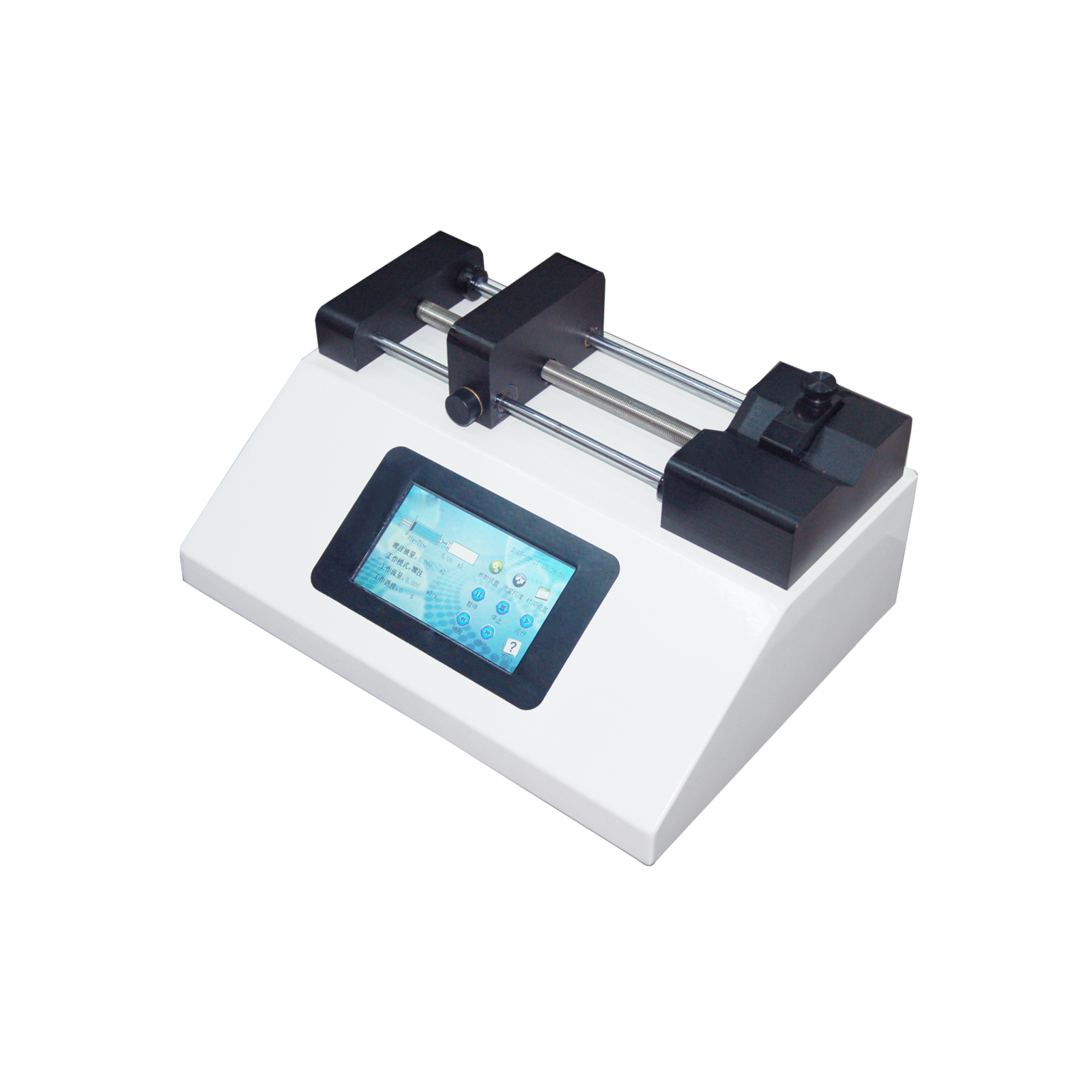
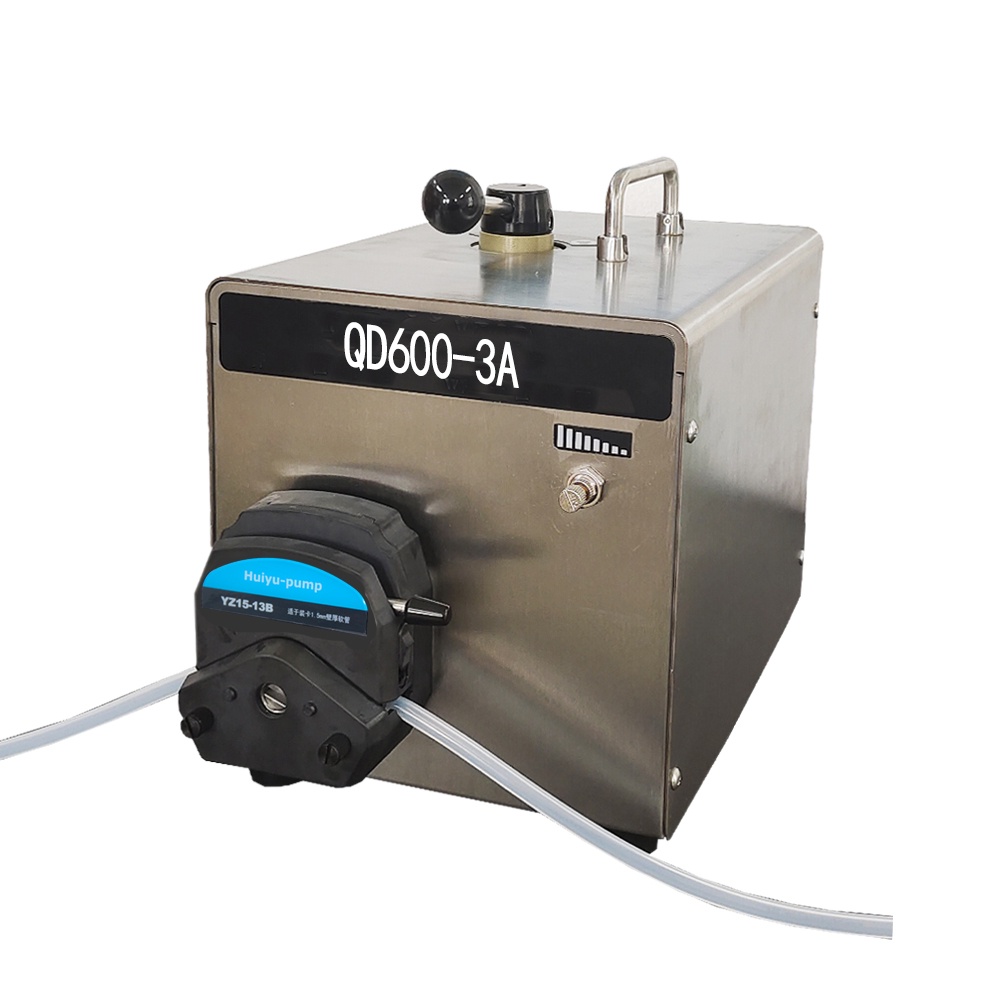

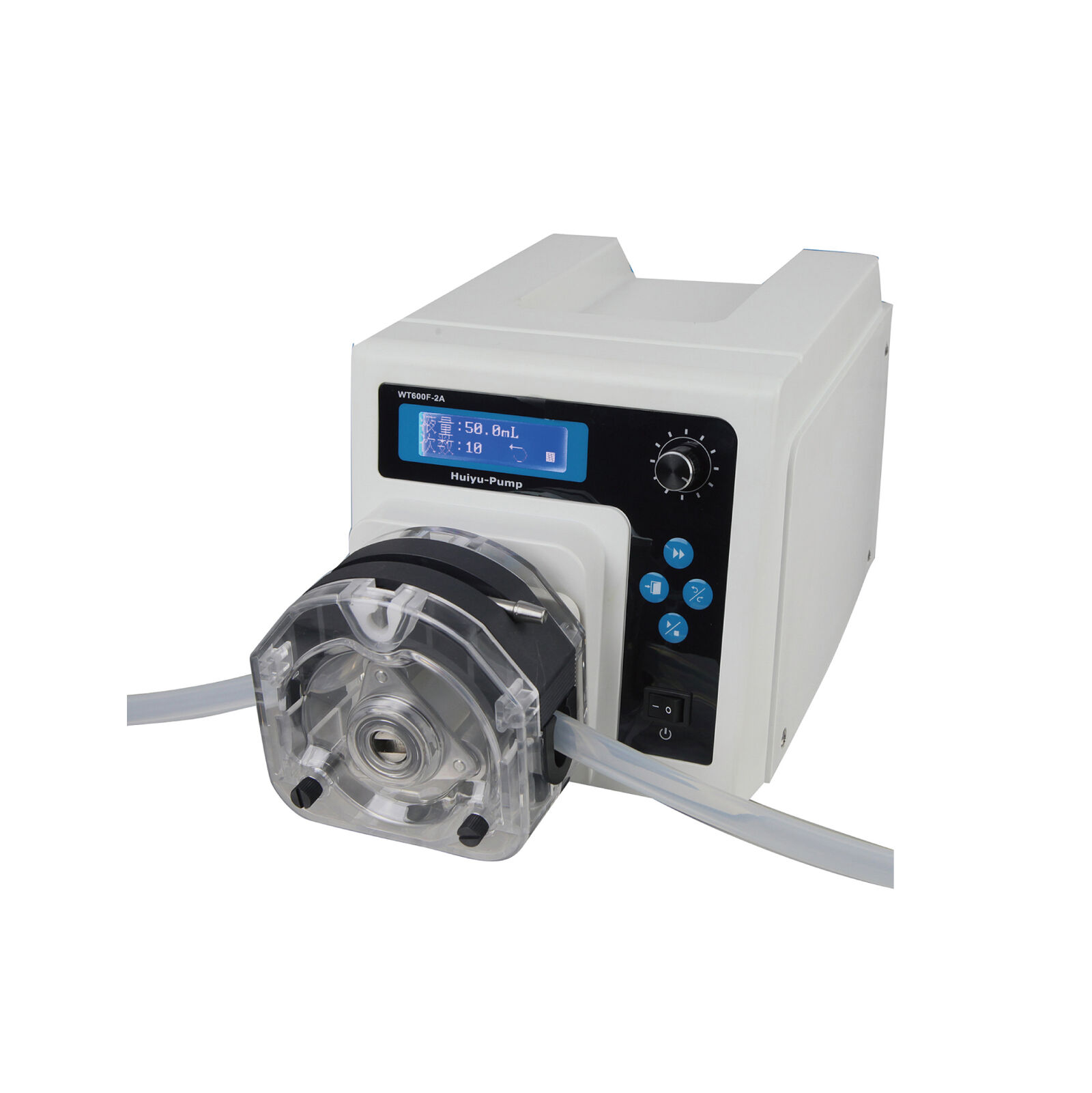
 WT600F-2ASpeed : 10-600 rpm, reversible
Speed precision: 1 rpm
Speed control: toggle switch and rotary encoded switch, accept external control and communication control Display: LCD
Dispensing volume: 0.1 mL to 99.9 L OEM Medical Peristaltic Pump TH20BThe TH20B is a spring adaptive type peristaltic pump head,widely used in the medical area, such as in hemodialysis, intraoperative irrigation, in vitro diagnostics (IVD), and biosample delivery etc..
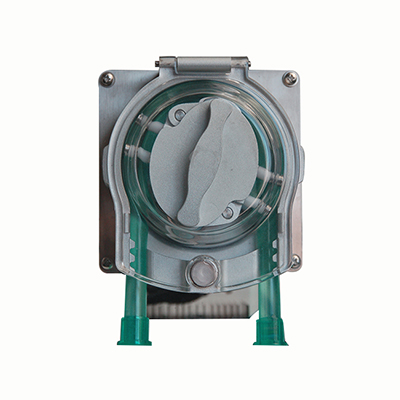
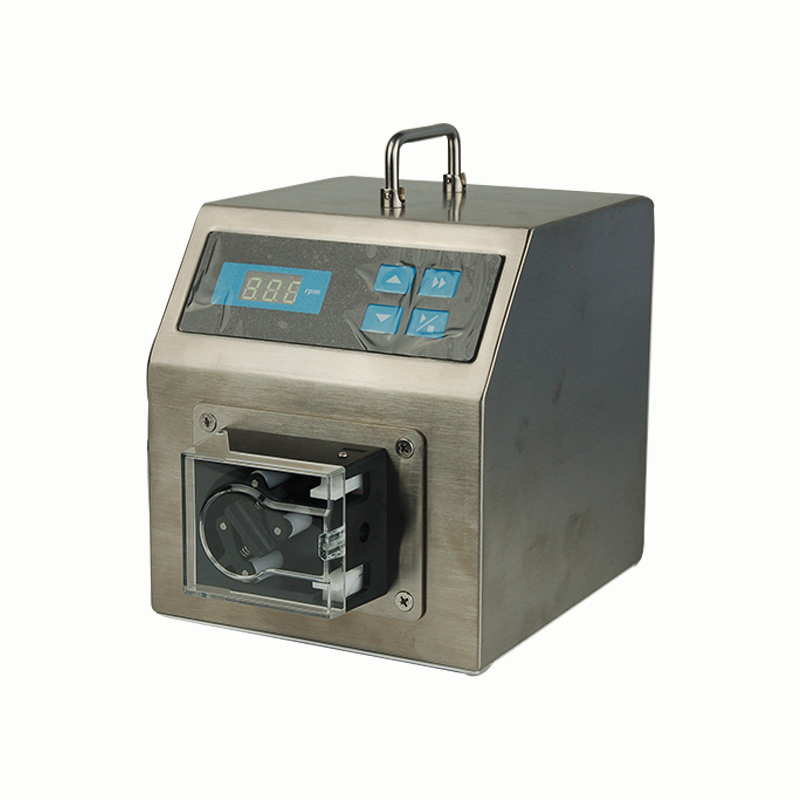
") BT300J-2A(03)Flow range ≤ 680ml/min
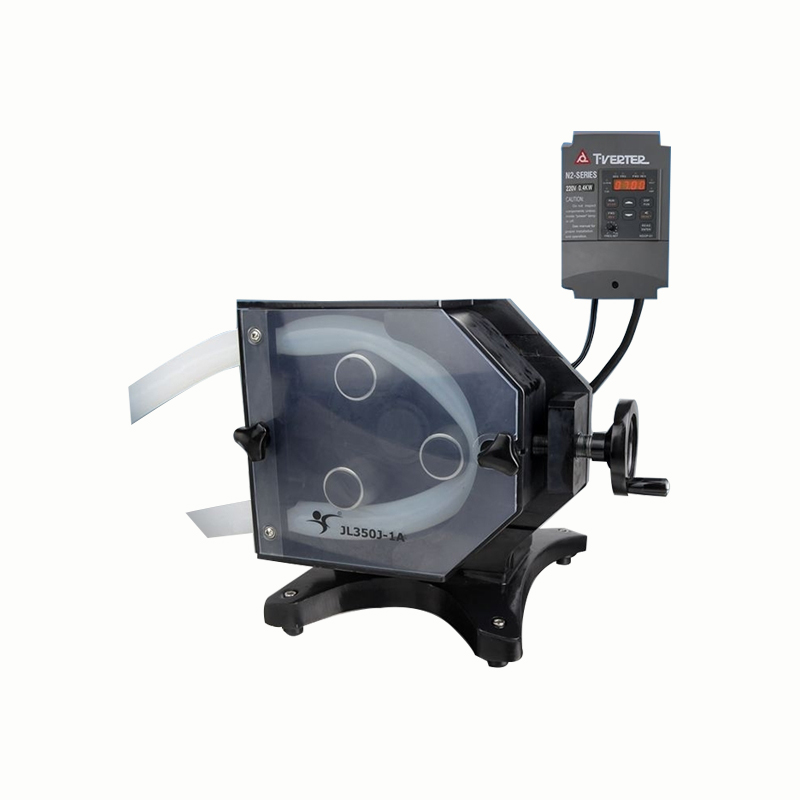
BT300J-2A(03)Flow range ≤ 680ml/min JL350-1AFlow range ≤40L/min

MESSAGE
If you have any questions, please feel free to contact us and we will answer them sincerely